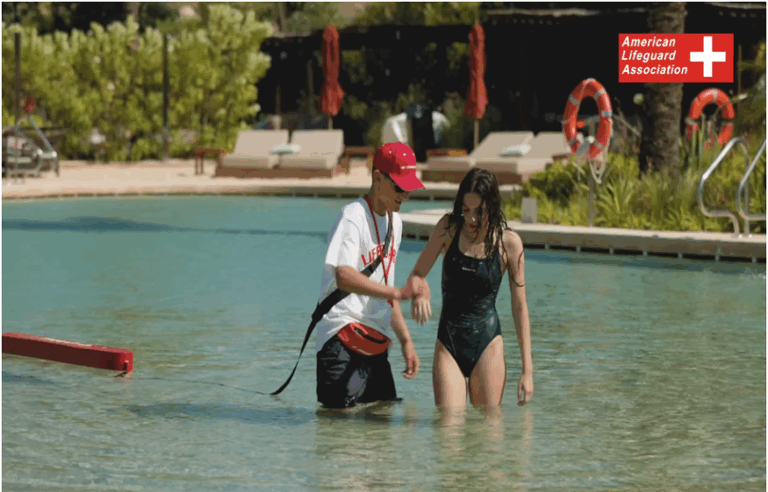

Summer abounds with swimming, beach trips, and poolside relaxing. But growing numbers of lifeguards in recent years have forced many pools and beaches to reduce hours, limit capacity, or even shut down entirely. A lack of qualified lifeguards among those with the necessary credentials is one of the primary drivers of this crisis.
Since drowning remains one of the leading causes of unintentional death, the need for competent lifeguards has never been more obvious. The shortage is partially addressed by excellent training programs offered by companies such as the American Lifeguard Association (ALA). The causes of the lifeguard deficit, its consequences, and how acquiring lifeguard certification can help to bridge this significant gap will all be discussed in this article.
The Growing Shortage of Lifeguards
Why Are There Not Enough Lifeguards?
The continued scarcity of lifeguards is caused by several factors:
- High turnover rates: Many seasonal lifeguards are college or high school students.
- The position calls for physical fitness, excellent swimming ability, and the capacity to manage crises.
- Many would-be applicants are unaware of how readily available lifeguard certification
- Fewer young people are selecting lifeguarding as other jobs compete with it—wages in retail and hospitality are increasing.
- Many certification programs were suspended during the pandemic, causing a backlog of uncertified candidates.
Read More Why Your Hair Needs Extra Care in the Middle East Weather
The Consequences of the Shortage
When pools and beaches run without sufficient lifeguards, the hazards are great:
- Increased Drowning Incidents – Unsuitable oversight raises children’s—and therefore swimmers—risk of drowning.
- Many areas have had to cut public pool hours or close parts of beaches.
- More Stress on Current Personnel: Overworked lifeguards run the risk of losing alertness, therefore raising accident risk.
The Value of Lifeguard Certification
Becoming a qualified lifeguard involves more than just finding employment; it also involves preserving lives. Good training guarantees lifeguards that they can:
- Understand drowning indications (often quick and silent).
- Apply first aid and CPR in crisis situations.
- Enforce safety regulations aimed at accident prevention before bourne.
Comprehensive lifeguard certification programs covering water rescue methods, emergency response, and injury prevention are offered by institutions such as the American Lifeguard Association (ALA). Preserving safety standards at aquatic sites depends much on these certifications.
Read More Personal Loan Guide 2026: Eligibility, Interest Rates, and Application Tips
How to Obtain Certification
Lifeguard certification: Steps to Get
- Most programs demand applicants to be at least 15 years old, pass a swimming exam, and have some first-aid experience.
- Enroll in a training course— the American Lifeguard Association and other groups provide both in-person and mixed learning choices.
- CPR/AED certification, first aid, and rescue drills are all part of training;
- Candidates must show both theoretical knowledge and practical abilities on final exams.
- Maintain Certification: Every two years, lifeguards have to recertify.
Why go with the American Lifeguard Association ( ALA )?
The ALA is known for its:
- Flexible training timelines with online elements.
- Certifications with national recognition.
- Emphasize actual rescue situations.
The ALA simplifies the certification process and makes it easier for new lifeguards to join the workforce by working with aquatic facilities, schools, and community centres.
How Communities Might Help to Solve the Scarcity
Encouragement of More Individuals Seeking Lifeguard certification
- Offer incentives; better salary, bonuses, and flexible schedules can draw more candidates.
- Schools and recreational facilities ought to publicize lifeguard courses.
- Offering scholarships or subsidised training helps lower certification costs and eliminate financial obstacles.
- Emphasize Advantages of Lifeguarding: Lifeguarding develops leaders, team players, and emergency responders’ skills useful in many businesses.
The Functions of Government and Business
- Local governments can highlight the value of lifeguards.
- Grants for aquatic facilities can help pools find and train more staff.
- As a component of community outreach, companies might help fund lifeguard certification
Final Thoughts
The shortage of lifeguards is a crisis influencing our access to community aquatics and public safety. Although one reason is the number of people qualified as lifeguards, we may alter things with appropriate effort.
Supporting certification programs like those provided by the American Lifeguard Association will help to ensure that communities have more qualified lifeguards to guarantee swimmer safety. Whether you wish to follow a career in aquatics or just want a summer job, lifeguard certification is a great approach to helping our communities and impact.
Check your local lifeguard training certification programs if you wish to help; you might be on your way to saving a life!
About the Author