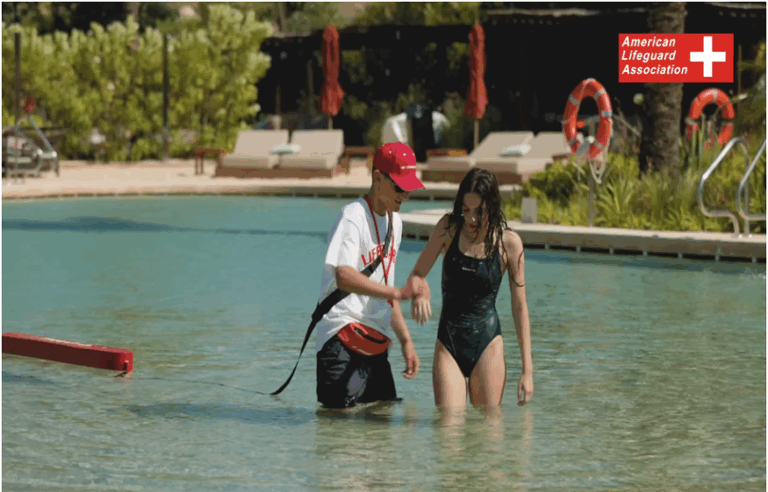
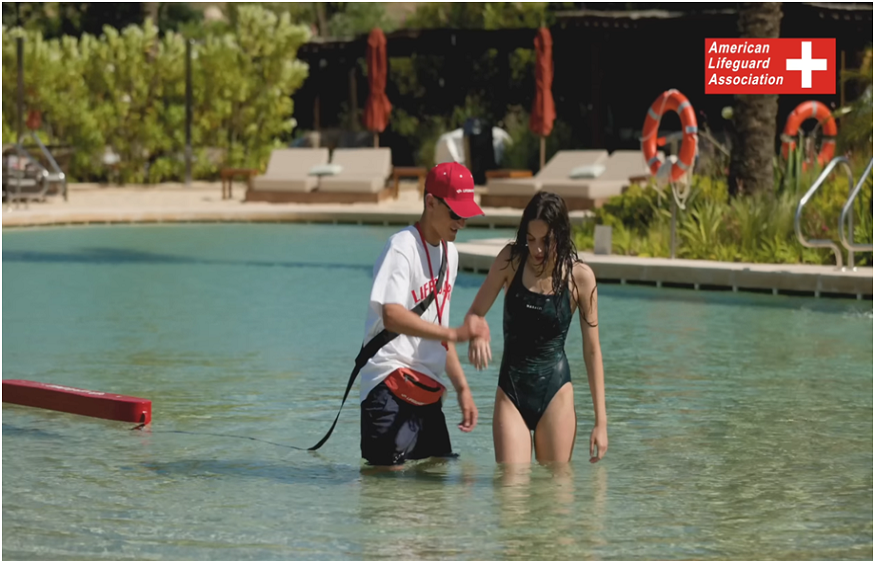
Lifeguard training is more than learning how to swim or watch over a pool. It is a comprehensive program designed to prepare individuals to prevent emergencies, respond quickly to accidents, and protect the safety of people in aquatic environments. Whether working at a swimming pool, water park, beach, or recreational facility, trained lifeguards play a critical role in preventing injuries and saving lives.
What Is Lifeguard Training?
Lifeguard training is a structured educational program that teaches water rescue techniques, emergency response procedures, first aid, cardiopulmonary resuscitation (CPR), and accident prevention strategies. The goal is to equip participants with the knowledge and confidence needed to recognize potential dangers and act effectively during emergencies.
Read More: Writing Nursing Assignment on Legal Accountability and Ethics
Most lifeguard training courses combine classroom instruction with hands-on practice. Participants learn how to identify distressed swimmers, perform rescues, administer emergency care, and communicate effectively during crisis situations. These skills are essential for maintaining safety in aquatic facilities and ensuring a rapid response when emergencies occur.
Why Lifeguard Training Matters
Drowning remains one of the leading causes of accidental injury-related deaths worldwide. Many aquatic emergencies occur suddenly and require immediate action. Lifeguards serve as the first line of defense against these incidents, making proper training essential.
A well-trained lifeguard can recognize warning signs before a situation becomes critical. By enforcing safety rules, monitoring swimmers, and responding quickly to hazards, lifeguards help prevent accidents from occurring in the first place. Their ability to remain calm under pressure often makes the difference between a minor incident and a life-threatening emergency.
Key Skills Learned During Lifeguard Training
Lifeguard training covers a wide range of important skills designed to prepare candidates for real-world situations. Some of the most valuable skills include:
Water Rescue Techniques
Participants learn how to rescue active and passive victims safely. Training includes approaches for assisting struggling swimmers, retrieving submerged victims, and using rescue equipment effectively.
CPR and First Aid
Cardiopulmonary resuscitation and first aid are critical components of lifeguard training. Candidates learn how to respond to cardiac emergencies, breathing difficulties, injuries, and other medical situations until professional help arrives.
Surveillance and Prevention
Effective lifeguards spend most of their time preventing accidents. Training emphasizes scanning techniques, risk assessment, and identifying unsafe behavior before it leads to an emergency.
Emergency Action Planning
Lifeguards must be prepared for various scenarios, including severe injuries, weather emergencies, and large-scale incidents. Training teaches candidates how to follow emergency action plans and coordinate with other responders.
Communication Skills
Clear communication is essential during emergencies. Lifeguards learn how to provide instructions, manage crowds, and work effectively with team members and emergency personnel.
Physical Requirements for Lifeguard Training
Lifeguard candidates are generally required to demonstrate strong swimming abilities before beginning training. While specific requirements vary by organization, participants often need to complete swimming assessments that test endurance, speed, and comfort in deep water.
Physical fitness is important because lifeguards may need to swim long distances, carry rescue equipment, or assist victims in challenging conditions. Maintaining a healthy level of fitness helps ensure that lifeguards can perform their duties effectively when needed.
Career Opportunities for Certified Lifeguards
Completing lifeguard training can open the door to a variety of employment opportunities. Certified lifeguards are commonly employed at:
- Public swimming pools
- Private recreational facilities
- Water parks
- Beaches
- Summer camps
- Resorts and hotels
- Community centers
Many individuals choose lifeguarding as a seasonal job, while others use it as a stepping stone toward careers in emergency services, healthcare, education, or public safety.
Benefits Beyond the Workplace
The benefits of lifeguard training extend far beyond employment opportunities. Participants develop valuable life skills that can be applied in everyday situations. Confidence, leadership, teamwork, responsibility, and problem-solving abilities are all strengthened through the training process.
Read More: Common Mistakes to Avoid in a Biology Assignment
Learning CPR and first aid also enables individuals to assist family members, friends, or community members during emergencies. These skills can prove invaluable in situations both inside and outside aquatic environments.
Maintaining Lifeguard Certification
Lifeguard certification is not a one-time achievement. Skills must be refreshed regularly to ensure competency and preparedness. Many certification programs require periodic renewal through recertification courses that review rescue procedures, CPR techniques, and updated safety standards.
Continuing education helps lifeguards stay current with industry best practices and maintain the confidence needed to respond effectively during emergencies.
Finalization
Lifeguard training is a valuable investment in safety, personal development, and community protection. Through comprehensive instruction in rescue techniques, CPR, first aid, and accident prevention, participants gain the skills needed to save lives and prevent emergencies. Whether pursuing a career as a lifeguard or simply seeking lifesaving knowledge, completing a lifeguard training program provides essential skills that can make a meaningful difference in critical situations. Trained lifeguards help create safer aquatic environments and play an important role in protecting lives every day.
About the Author